
Farm Animal Health Services in Fairfield, TX
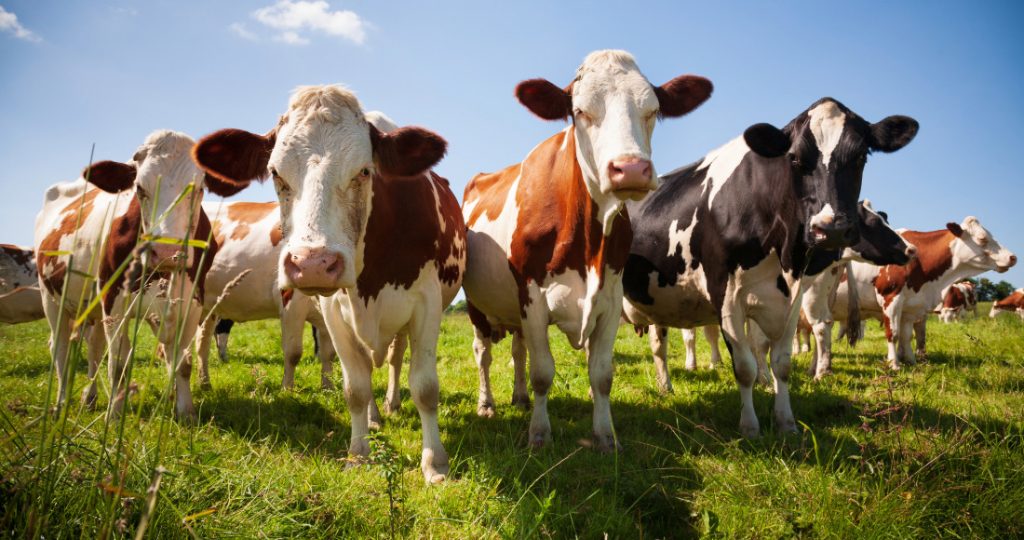
Comprehensive Veterinary Care for Central Texas Livestock
Farm animal health directly impacts agricultural productivity, food safety, and the economic viability of farming operations throughout Central Texas, making professional veterinary care essential for successful livestock management. Our farm animal vet Fairfield TX services provide comprehensive medical care for cattle, sheep, goats, swine, and other production animals, delivered through both on-farm visits and clinic facilities equipped for large animal care. We understand that healthy livestock are the foundation of profitable farming operations and work closely with producers to develop preventive health programs that minimize disease and maximize production efficiency.
The unique challenges of farm animal medicine require veterinarians who understand not just individual animal health but herd dynamics, production goals, and economic constraints that influence treatment decisions. Unlike companion animal medicine where individual pets receive unlimited care, farm animal medicine must balance animal welfare with production economics. Our approach considers the whole farm system, providing practical solutions that improve animal health while maintaining economic sustainability.
Central Texas’s climate and geography create specific health challenges for livestock, from heat stress in summer to parasites that thrive in our environment year-round. Local disease patterns, including endemic conditions and emerging threats, require vigilant monitoring and proactive management. Our deep understanding of regional agriculture and established relationships with local producers position us as trusted partners in maintaining healthy, productive livestock operations throughout Freestone County and surrounding areas.
Preventive Herd Health Programs
Customized herd health programs form the cornerstone of successful livestock management, preventing disease outbreaks that can devastate production and profitability. These programs integrate vaccination protocols, parasite management, nutrition consultation, and biosecurity measures tailored to each farm’s specific needs. Regular health monitoring identifies problems early when intervention is most effective and economical.
Vaccination schedules protect against diseases common in Central Texas while avoiding unnecessary vaccines that add cost without benefit. Core vaccines for cattle include respiratory disease complex, clostridial diseases, and reproductive pathogens. Timing vaccinations with production cycles maximizes immune response while minimizing handling stress.
Biosecurity protocols prevent disease introduction and spread within farms, particularly important as livestock movement increases disease transmission risks:
- Quarantine procedures for new animal additions
- Visitor and vehicle control measures
- Feed and water source protection
- Pest and wildlife management strategies
- Equipment sanitation between animal groups
- Sick animal isolation protocols
- Carcass disposal procedures preventing disease spread
Cattle Health Management
Beef cattle operations require different health management than dairy farms, with cow-calf operations focusing on reproductive efficiency and calf health while feedlots emphasize rapid growth and disease prevention. Our farm animal vet Fairfield TX services address the specific needs of each production type. Reproductive management including pregnancy diagnosis, bull breeding soundness exams, and artificial insemination timing optimizes conception rates.
Bovine respiratory disease complex remains the most economically significant disease in cattle, requiring comprehensive prevention strategies including vaccination, management practices reducing stress, and early treatment protocols. Metaphylactic treatment of high-risk cattle can prevent outbreaks. Our protocols are based on latest research and local disease patterns.
Nutritional consultation helps producers optimize feed efficiency while preventing metabolic diseases like acidosis, bloat, and grass tetany. Mineral supplementation programs address regional soil deficiencies affecting cattle health. We work with nutritionists to develop cost-effective feeding programs supporting optimal production.
Small Ruminant Medicine
Sheep and goat operations face unique health challenges requiring specialized knowledge of small ruminant diseases and management. Internal parasites represent the greatest health threat, with resistance to dewormers increasing nationwide. Our integrated parasite management combines strategic deworming, pasture management, and genetic selection for parasite resistance.
Pregnancy toxemia and milk fever in pregnant and lactating does/ewes require careful nutritional management and prompt treatment when they occur. Proper body condition scoring and adjusted feeding during late gestation prevents most cases. Emergency treatment protocols save valuable breeding stock.
Caseous lymphadenitis, sore mouth, and other contagious diseases can spread rapidly through flocks, requiring proper diagnosis and management strategies. Vaccination programs and biosecurity measures prevent introduction and spread. Our experience with small ruminant diseases ensures accurate diagnosis and effective treatment.
Swine Health Services
Pig production systems from small heritage breed operations to commercial facilities require veterinary support for disease prevention and regulatory compliance. Respiratory diseases including PRRS, influenza, and mycoplasma significantly impact growth and mortality. Comprehensive vaccination and management strategies reduce disease impact.
Reproductive management in swine focuses on maximizing litter size and piglet survival through proper sow conditioning, farrowing management, and neonatal care. Prostaglandin synchronization protocols improve breeding efficiency. Our farm animal vet Fairfield TX team provides reproductive consultation for all sizes of swine operations.
Nutritional diseases including iron deficiency anemia in piglets and vitamin E/selenium deficiency require appropriate supplementation programs. Growth rate optimization through proper nutrition and health management improves feed conversion efficiency. We help producers balance performance with input costs.
Emergency and Urgent Care
Farm animal emergencies require rapid response to save valuable livestock and prevent suffering. Common emergencies include dystocia (difficult birth), bloat, choke, fractures, and severe lacerations. Our mobile emergency services bring veterinary care directly to farms when transport isn’t feasible or would worsen conditions.
Dystocia management requires timely intervention to save both dams and offspring, with cesarean sections sometimes necessary when natural delivery isn’t possible. Proper technique and aftercare ensure optimal outcomes. Experience with various species allows appropriate approach selection.
Toxic plant ingestion, feed contamination, and accidental poisonings require rapid diagnosis and treatment to prevent losses. Local plant identification knowledge and access to toxicology resources guide treatment. Activated charcoal, supportive care, and specific antidotes when available improve survival rates.
Disease Diagnostics and Testing
Accurate disease diagnosis requires combining clinical examination with appropriate laboratory testing to identify pathogens and guide treatment. On-farm necropsy services determine causes of death, identifying herd health threats. Proper sample collection and preservation ensures diagnostic accuracy.
Laboratory partnerships provide access to specialized testing including bacteriology, virology, and toxicology unavailable in field settings. Rapid test results for critical diseases allow timely treatment and prevention measures. Our established relationships with diagnostic laboratories expedite results.
Regulatory testing for diseases like tuberculosis, brucellosis, and Johne’s disease maintains herd accreditation and allows interstate movement. We’re certified for regulatory testing and maintain current knowledge of requirements. Proper documentation ensures compliance with state and federal regulations.
Surgical Services for Farm Animals
Field surgery capabilities include castration, dehorning, cesarean sections, and wound repair performed on-farm using portable equipment and local/regional anesthesia. Proper restraint and sterile technique ensure good outcomes despite challenging field conditions. Experience with various species and situations guides approach selection.
Castration and dehorning at appropriate ages minimizes stress and complications while improving management and marketability. Pain management protocols reduce animal suffering and improve recovery. Timing with production schedules minimizes handling stress.
Specialized procedures including umbilical hernia repair, cryptorchid castration, and tumor removal may require hospital facilities or referral to specialty centers. Our farm animal vet Fairfield TX clinic provides both field and hospital surgical services based on case requirements.
Reproductive Services and Management
Pregnancy diagnosis using ultrasound or palpation allows early detection for rebreeding non-pregnant animals and proper nutritional management of pregnant stock. Regular pregnancy checking improves reproductive efficiency. Stage of pregnancy determination helps predict calving/lambing dates.
Bull breeding soundness examinations evaluate physical capability and semen quality, identifying subfertile males that reduce conception rates. Annual testing before breeding season ensures optimal fertility. Culling recommendations improve overall herd genetics.
Artificial insemination services including estrus synchronization protocols allow genetic improvement through superior sire selection. Proper timing and technique maximize conception rates. We provide both AI services and training for producers wanting to perform their own insemination.
Parasite Management Strategies
Internal parasite control in grazing livestock requires integrated approaches combining strategic deworming, pasture management, and monitoring to prevent resistance development. Fecal egg count monitoring guides deworming decisions rather than calendar-based treatments. This targeted approach preserves dewormer effectiveness.
External parasites including flies, lice, and ticks not only reduce production but transmit diseases requiring comprehensive control programs. Insecticide resistance necessitates rotation between chemical classes. Environmental management reducing breeding sites complements chemical control.
Regional parasite challenges including liver flukes in wet areas and specific tick species require targeted control strategies. Understanding parasite life cycles guides timing of interventions. Our protocols address Central Texas’s specific parasite fauna.
Nutrition and Metabolic Disease Prevention
Nutritional consultation helps producers formulate cost-effective rations meeting production demands while preventing deficiency or toxicity diseases. Regional soil deficiencies affecting forage mineral content require appropriate supplementation. Forage testing guides supplementation programs.
Metabolic diseases including ketosis, milk fever, and displaced abomasum in dairy cattle require prevention through proper transition cow management. Monitoring programs identify at-risk animals for preventive treatment. Early intervention reduces production losses.
Feed analysis and ration balancing software optimize nutrition while controlling costs, particularly important with volatile commodity prices. Working with nutritionists ensures comprehensive dietary management. Our role includes health monitoring to assess nutritional program effectiveness.
Regulatory Compliance and Documentation
Health certificates for interstate movement require examination and testing ensuring animals meet destination state requirements. Maintaining current knowledge of varying state regulations ensures smooth livestock movement. Proper documentation prevents costly delays or rejection at destinations.
Disease reporting obligations for certain conditions protect both animal and human health through early detection of emerging threats. Understanding reportable diseases and proper notification procedures ensures compliance. We assist producers with regulatory requirements.
Drug use records and withdrawal times ensure food safety and prevent residue violations that could result in significant penalties. Proper record keeping systems document treatment protocols. Education about extra-label drug use regulations prevents violations.
Zoonotic Disease Prevention
Many farm animal diseases can spread to humans, making zoonotic disease prevention crucial for farm workers and families. Education about transmission risks and prevention measures protects human health. Personal protective equipment use during certain procedures reduces exposure.
Q fever, brucellosis, and leptospirosis represent significant zoonotic risks requiring appropriate testing and control measures. Vaccination of livestock when available reduces human exposure risk. Our farm animal vet Fairfield TX team emphasizes One Health approaches protecting both animals and people.
Rabies vaccination of valuable livestock and those with frequent human contact provides protection against this fatal disease. Post-exposure protocols for potentially rabid animal contact protect both animals and handlers. Wildlife control measures reduce rabies exposure risk.
Technology in Farm Animal Practice
Electronic identification systems improve individual animal tracking for health records and regulatory compliance. RFID technology enables rapid data collection during handling. Integration with record systems streamlines documentation.
Reproductive technologies including ultrasound, artificial insemination, and embryo transfer accelerate genetic improvement while reducing disease transmission through natural breeding. Training producers in these technologies increases adoption. We provide both services and education.
Telemedicine capabilities allow remote consultation for non-emergency cases, reducing farm visits costs while providing timely advice. Digital image sharing enables specialist consultation. Technology enhances service delivery efficiency.
Economic Considerations
Production medicine focuses on optimizing economic returns through disease prevention and improved efficiency rather than just treating sick animals. Cost-benefit analysis guides health management decisions. Preventive programs typically provide excellent return on investment.
Group treatment protocols for common conditions reduce individual animal handling while ensuring timely treatment. Standardized approaches improve outcomes while controlling costs. Our protocols balance animal welfare with economic reality.
Record analysis identifies production limitations and opportunities for improvement through health management changes. Benchmarking against industry standards reveals areas needing attention. Data-driven decisions improve profitability.
Building Long-Term Farm Partnerships
Successful farm animal practice requires building trusted relationships with producers through reliable service, practical advice, and understanding of agricultural economics. Regular farm visits maintain awareness of changing needs and challenges. Our commitment extends beyond emergency response to proactive health management.
Education programs including producer meetings, workshops, and on-farm training improve livestock health management capabilities. Empowering producers with knowledge and skills improves animal welfare and productivity. We regularly provide educational opportunities.
Succession planning support helps transition farm operations between generations while maintaining animal health programs. Documenting protocols and training new operators ensures continuity. Our long-term presence provides stability through transitions.
Schedule Your Farm’s Veterinary Services
Professional veterinary care is essential for maintaining healthy, productive livestock operations. Contact our Fairfield clinic at 1501 W US Highway 84 to discuss your farm’s veterinary needs. Our farm animal vet Fairfield TX services provide comprehensive care from preventive programs to emergency response.
Whether you need routine herd health services, emergency care, or consultation on production challenges, our experienced large animal team is ready to help. We understand Central Texas agriculture and provide practical solutions fitting your operation’s needs. Our mobile services bring veterinary care directly to your farm.
Don’t wait for disease outbreaks or emergencies to establish veterinary relationships. Proactive health management improves animal welfare, productivity, and profitability. Call today to develop a customized health program for your livestock operation.